Rome Travel Tips

Bronze statue of Julius Caesar in Rome
Rome is one of my favorite cities in the world. In 2005, as a college junior, I studied abroad here in what was my first time stepping outside of the US, for an absolutely life-changing experience. Since then, I have visited a dozen times (sometimes working remotely for a month or so), gotten engaged on Gianicolo Hill, and even obtained my Italian passport through my great-grandparents who came to the US from Italy in 1910.
Rome can be a challenging city to visit, because you have to actively work and plan to not just get stuck at the tourist sites. While the iconic landmarks like the Colosseum and Vatican are must-see attractions, Rome's true essence lies in its winding streets, mom-and-pop eateries, and lesser-known corners. To fully appreciate this magnificent city, you must embrace the art of slow exploration, of getting lost in its ancient streets only to discover charming piazzas that aren’t in the guidebooks.
I’m so excited for you to travel to Rome and immerse yourself in the eternal allure of this ancient city, uncover its secrets, and create unforgettable memories along the way. And I hope this guide is useful on your journey.
What to know before you go
Best time to go: Any month but August, when the city shuts down as the Italians go on vacation. I would also avoid July and September when the heat, sun, and tourists make it less enjoyable.
Safety: Rome is extremely safe. But there are pickpocketers in the packed touristy areas.
Getting around: It’s best to do as much as possible a piedi (by foot) so you can enjoy the beautiful winding streets. Cabs are plentiful, as is Uber. There are also buses and an underground subway, but it’s limited. Apparently they ran into too many ancient artifacts when digging for the subway which stalled construction.
Plan ahead: Many of the popular activities and restaurants require advanced bookings. It’s worth putting in the time to plan your itinerary before your visit.
Don’t forget to pack: comfortable shoes (heels will not work on the cobblestone), an adapter, an umbrella/raincoat, a portable charger, a large bag (I carry a backpack), and a water bottle to enjoy the incredible, chilled fountain water available around the city.
Tipping: It's common to leave a small tip in restaurants, but it's not obligatory. Look for a "servizio incluso" note on the bill, indicating that the service charge is included.
My top experience recommendations
There is so much to do in Rome, this is by no means a comprehensive list. Here are a few of the things I recommend:
Villa Borghese is one of the most beautiful parks in the world and my favorite thing to do in Rome. Rent a bike to get around, or a quattrocycle if you’re with a group. I’ve done this a few times and always have a blast (even when we got caught in a storm!). You can have a picnic, rent a paddle boat on the lake, or catch a show at the Globe Theater. The Galleria Borghese includes works by Bernini, Caravaggio, Raphael - you’ll need to make reservations ahead of time. The Galleria Nazionale d'Arte Moderna (National Gallery of Modern Art) has a spectacular collection of Italian art from the 19th and 20th centuries. Unlike the Vatican Museum, it’s calm and tranquil. The building itself is stunning and worth a visit.
Take a cooking class with a local! There are a couple of great cooking classes that are part educational, part fun, and all yummy. We went to the aptly named “Cooking School in Rome” (twice) which is 5-hours long and includes pasta making 101. We more recently took a family-friendly private cooking class with Massimo (at his charming home!) and loved it.
One of the least-touristy, most Roman things you can do is go to a AS Roma soccer game. Make sure to learn the songs and chants in advance -- you will be moved by the passion of the crowd!
Grab lunch at Campo Di Fiori outdoor market and then walk across the river to Gianicolo Hill (this is where we got engaged 💍) for sweeping views of the city! Stop by the Botanical Garden of Rome and the Butterfly Garden nearby.
Shop for antique furniture and art on Via Giulia. If you’re into history and architecture, follow this helpful guide along the street.
Visit Lungo il Tevere, which translates to 'Along the Tiber'. There are pop-up stalls, food stalls, arts and crafts vendors, and many other things to enjoy here.
The landmark check-list
It’s hard to justify a trip to Rome without trips to the most iconic places! These stops tend to be a zoo. You have to just go with the flow and focus on the awe.
Colosseum (Colosseo): Consider visiting at night when the temperature is cooler and the crowds are thinner, allowing you to appreciate the magnificence of this ancient amphitheater. Or consider taking a private or small group tour of the Colosseum underground, where you explore the underground chambers, the arena floor.
Piazza Navona: Visit this beautiful square, known for its stunning Baroque architecture. The Fountain of the Four Rivers (Fontana dei Quattro Fiumi) in the center is by Gian Lorenzo Bernini and depicts the Danube, the Ganges, the Nile, and the Rio della Plata, the four corners of the Earth.
Trevi Fountain (Fontana di Trevi): Indulge in the timeless tradition of tossing a coin into the Trevi Fountain to ensure your return to Rome. To fully appreciate its splendor (and actually get a seat), visit early in the morning or late in the evening when the crowds are less dense.
Roman Forum (Foro Romano): Stroll through the ruins of the ancient city, taking in the historic landmarks and imagining the vibrant life that once filled these streets. Marvel at the ruins of the ancient city, including the Temple of Saturn and the Arch of Septimius Severus. See how many cats you can find!
Vatican (Vaticano): A visit to Rome is incomplete without exploring what is technically its own country. The Vatican Museums -- which include the Sistine Chapel -- are a must-see. Avoid peak times when they are hot and overcrowded. Consider booking a tour in the morning before it opens to the public.
Spanish Steps (Piazza di Spagna): After a visit to my favorite park (Borghese), take a scenic walk down to the Spanish Steps. In addition to the steps themselves, this area is home to upscale boutiques and designer shops.
Pantheon: Step inside and admire the breathtaking dome, which remains the largest unreinforced concrete dome in the world. There’s usually a line, but it does go quickly.
Castel Sant'Angelo: Take a stroll along the Tiber River and visit Castel Sant'Angelo, a fortress that dates back to Roman times. Explore its fascinating history and enjoy panoramic views of Rome from the castle's terrace.
One trick for summer visits, which can reach 90℉, is to book a hotel with a pool (like the Villa Agrippina Gran Melia, the Cavalieri, or the Aldrovandi Villa Borghese). Then you can sightsee in the morning and evening, and hang by the pool and nap during the height day.
Favorite neighborhood strolls in Rome
There is nothing like walking the streets of Rome, especially in the evening. Here are a few of our favorite strolls, offering a glimpse into the charm and character of Rome. Don’t forget to wear your comfy walking shoes!
Trastevere: One of the most picturesque and lively neighborhoods in Rome, Trastevere is a treasure trove of narrow cobblestone streets, colorful buildings, and a vibrant atmosphere. Take a leisurely walk along the winding lanes, exploring the quaint squares and hidden corners. A great place to find suppli and gelato.
Monti: Located between the Colosseum and the Imperial Forums, Monti is a trendy neighborhood known for its artistic vibe, vintage shops, and hip cafes. Stroll through the streets lined with boutiques, art galleries, and charming piazzas like the Piazza della Madonna dei Monti. Don't miss the beautiful Basilica di Santa Maria Maggiore and the Mercato Monti, a popular weekend market.
Testaccio: For a taste of the authentic Roman lifestyle, explore the neighborhood of Testaccio. This working-class area has transformed into a vibrant hub of culinary delights and cultural experiences. Take a leisurely walk along the main street, Via di Monte Testaccio, and explore the local market, Mercato Testaccio, which offers an array of fresh produce, artisanal products, and street food.
Campo de' Fiori: Known for its lively square and bustling market, Campo de' Fiori is a neighborhood that buzzes with energy. Start your stroll at the vibrant Campo de' Fiori Market, which has a variety of stalls with fresh produce, flowers, spices, and more. From there, explore the surrounding streets, admiring the charming architecture and stopping at quaint cafes for a coffee or gelato. As the day turns into evening, the square comes alive with bustling restaurants and bars, creating a vibrant nightlife scene.
Gianicolo Hill: For breathtaking panoramic views of Rome, take a stroll up Gianicolo Hill. This tranquil area offers a peaceful escape from the city's hustle and bustle. As you ascend the hill, enjoy the picturesque scenery and lush greenery. The top offers stunning vistas that stretch across the city, including iconic landmarks such as St. Peter's Basilica and the Tiber River. It's a perfect spot to relax, enjoy a picnic, and soak in the beauty of Rome.
Restaurants
The trick to good food in Italy is to avoid the tourist traps, and that’s especially true in Rome. You’ll want to skip most of the restaurants near major attractions. Don’t be afraid to go a little out of your way to find a restaurant where it’s not all Americans.
Santo Palato: A hip spot with traditional Roman dishes. You’ll need a reservation in advance.
Lo Zozzone: I have been going to this quirky little spot near Piazza Navona since I studied abroad here in 2005. They make the best lunch sandwiches that are easy to pickup and enjoy near the fountain.
Borgo Pigneto: This is an off-the-beaten-path spot without any tourists. It’s a beautiful home (hotel?) with a large lawn setup with picnic areas. You order the food and drink (which is not bad, but nothing to write home about), and bam! A picnic. Very casual and great for kids.
Glass Hostaria: A more upscale, gastronomic experience in the heart of Trastevere. The dishes are small and inventive, with lots of fish and meat. Try the tasting menu for a unique dining experience
Terrazza Mirador Rome: If you get sick of pasta (hey, it happens), this is a pretty good spot to check out. Grab a seat outside and enjoy spectacular views of the Vatican and Castel Sant'Angelo.
PierLuigi: A beautifully decorated, upscale seafood restaurant in Campo. Walk into a display of fresh fish on ice. The dishes are fresh and plentiful, family-style is a must.
Food checklist
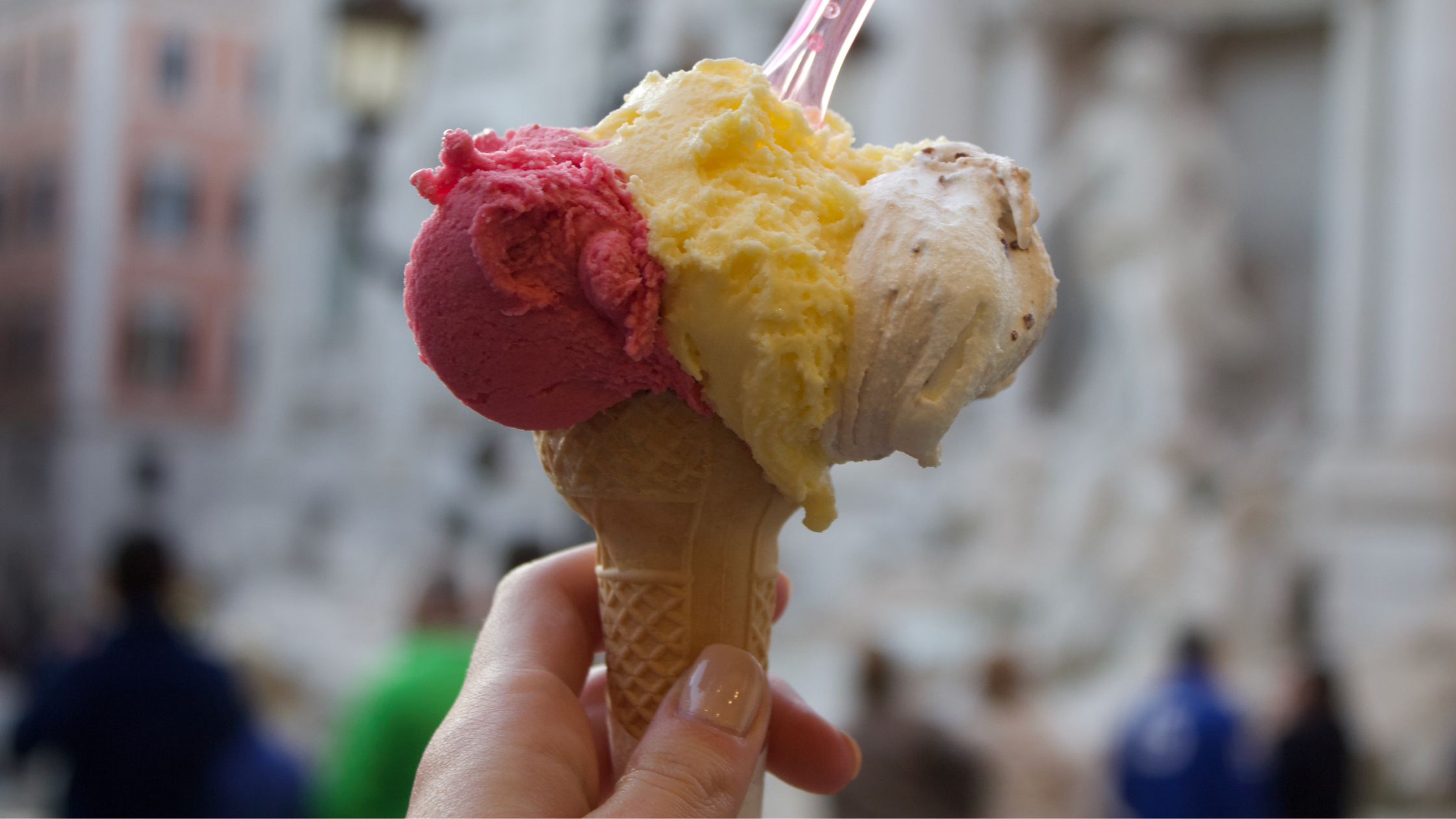
Roman cuisine is the best food on earth. There is a depth of flavor in every bite, with a showcase of fresh, quality ingredients. Here is a checklist of Roman foods to ensure you savor the best the city has to offer:
✔️Amatriciana: This iconic pasta dish hails from the nearby town of Amatrice but has become a staple in Roman cuisine. It typically features pasta (usually bucatini or spaghetti) tossed in a sauce made with guanciale (cured pork jowl), tomato sauce, Pecorino Romano cheese, and a hint of chili pepper for a deliciously savory and slightly spicy flavor. Amatriciana is a must-try for pasta lovers in Rome.
✔️ Carbonara: A classic Roman pasta dish made with eggs, Pecorino Romano cheese, pancetta or guanciale (cured pork jowl), black pepper, and sometimes a splash of white wine. It's rich, creamy, and incredibly delicious.
✔️ Cacio e Pepe: Another beloved pasta dish from Rome, cacio e pepe features spaghetti tossed with Pecorino Romano cheese and freshly ground black pepper. Simple yet flavorful, it showcases the quality of the ingredients.
✔️ Supplì: These deep-fried rice balls are my favorite street food snack in Rome. They are typically filled with risotto-like rice, tomato sauce, mozzarella cheese, and sometimes ground meat. The result is a crispy exterior with a gooey, cheesy center.
✔️ Carciofi alla Romana: Rome is famous for its artichokes, and one of the best ways to enjoy them is by trying carciofi alla Romana. The artichokes are trimmed, stuffed with garlic, parsley, and mint, and braised until tender. They have a delicate flavor and are a true delicacy.
✔️ Gelato: Rome offers a plethora of gelaterias serving up delicious, creamy gelato in various flavors. Indulge in traditional flavors like pistachio, chocolate, and stracciatella, or try some unique and seasonal options.
✔️ Roman Jewish Cuisine: Explore the unique flavors of the Roman Jewish community with dishes like carciofi alla giudia (fried artichokes), filetti di baccalà (fried salted codfish), and torta ricotta e visciole (ricotta and sour cherry tart). These dishes have their roots in Jewish-Roman culinary traditions.
✔️ Pizza Romana: Roman-style pizza is characterized by its thin, crispy crust and minimal toppings. Try classics like pizza margherita (tomato, mozzarella, and basil) or pizza bianca (olive oil, salt, and sometimes rosemary), which are both local favorites. Grab and go spots are usually good!
✔️ Saltimbocca alla Romana: This traditional Roman dish consists of tender veal scallops topped with prosciutto and sage, then cooked in butter and white wine. It's a flavorful and savory dish that pairs well with a side of roasted potatoes.
✔️ Caprese: This isn’t Roman-specific (it’s found all over italy) but it can’t be missed. Caprese is a classic Italian salad featuring ripe tomatoes, fresh mozzarella, and basil. Drizzled with extra-virgin olive oil, it captures the essence of simplicity and freshness and is my all time favorite summer treat.